






Should you talk to kids about the “birds and the bees” and opioids?
January 16, 2020
As featured on Fox13 Salt Lake City –
“The opioid epidemic is not just an individual problem, it’s a community problem. There are things we can do to prevent misuse within our families and among our friends, and also ways to get involved in our communities.
Susannah Burt, Prevention Program Administrator for the Utah Division of Substance Abuse and Mental Health says anyone who uses an opioid is potentially at risk, and not just adults.
She says almost half (47 percent) of teens reported that it is easy to get prescription drugs from a parent’s medicine cabinet.
Nationally, 1 in 6 parents believes that using prescription drugs to get high is safer than using street drugs. More than 1 in 4 teens (27 percent) share the same belief.
Public education and awareness aimed at adults and adolescents is a big first step in prevention. The more people know and understand the issue, the more they can do to take charge of their health care, and health care of their loved ones.
Burt says it’s important for parents to have the talk with their children about the risks and dangers of prescription drug misuse. Set clear rules about no substance use, and create and maintain strong and healthy bonds with kids to help protect from the early onset of substance use.
Ask about alternatives to opioids when visiting with your doctor about pain management.
Be sure to lock up medications and safely through out medications that are no longer needed. You can visit useonlyasdirected.org to find a list of locations for drop boxes in your area.
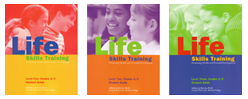
Botvins Life Skills Training is currently being implemented statewide in all secondary schools. This program includes many skills that help protect youth from engaging in substance use. There is a focus on helping kids develop healthy life skills such as how to cope with anxiety, stress, and depression, how to make goals, how to make good friends, and how to refuse when someone offers them drugs.
Other prevention programs vary in focus depending on the target audience:
For children, Burt says, programs that focus on self-control, emotional awareness, communication, social problem solving and academic support are great.
For teens and young adults, programs that provide several hours a week of extracurricular activities, encourage academic excellence, provide healthy role models, and focus on communication, peer relationships, self-efficacy and assertiveness, drug resistance skills and reinforcement of anti-drug attitudes are important.”
Read full article: