
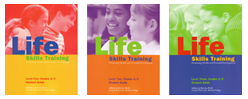






LifeSkills in the Classroom: CFR Teaches Drug Abuse Prevention
As children make their way through school, there’s a strong chance that a local treatment center has educated them about the dangers of drug abuse, including opioid abuse.
Community and Family Resources, with the help of a grant, visits area schools and offers a variety of programs for the students to educate them about drug abuse.
Corey Keller, a prevention specialist with CFR, is one of the people who visits the classrooms.
The Comprehensive Substance Abuse Prevention Grant, which is provided through the Iowa Department of Public Health, allows for the programs to happen.
“One of the big things we do is we implement evidence-based curriculum in schools,” she said. “And we can do a couple different curriculums.”

-Messenger photo by Peter Kaspari
Radney Roosa, who teaches LifeSkills programming at Fort Dodge Middle School, asks his class to fill out a list of positive behaviors during a recent class session.
LifeSkills Training is a program that is presented to seventh-graders at Fort Dodge Middle School, and is held in conjunction with the students’ health classes.
“It’s a 15-session curriculum that is not only drug prevention, but also violence prevention, goal-setting, decision-making, assertiveness,” she said. “It’s kind of those behavior strategies, too.”
Keller said students seem to enjoy participating in both programs.
And she said evidence shows that the programs are working.
For LifeSkills Training, Keller said last year, the class had a section dedicated to opioid abuse and prescription drug abuse.
She added that the class will also use real-life news stories in the class, which she said helps drive the point home about what’s going on with drug abuse.
“The kids have responded really well to that,” she said.
Fort Dodge Middle School Principal Ryan Flaherty said Life Skills is also a very important program for middle-schoolers in particular.
“We know that the middle school years are super important for the development of kids in which they’ll be making lots of decisions, facing lots of pressures to do certain things,” Flaherty said. “And we believe our greatest tool to help students make the right decision is education. Instead of reacting when things go wrong, we want to promote healthy lifestyles, educate students and give them the skills to make healthy decisions when they’re faced with those as they grow up.”
He added that the students have benefited from the program.
“I think our students want the information and I think they want the ability to do the right thing,” he said. “Proper education gives them the ability to do that.”
CFR provides all the materials itself, according to Keller. The school district doesn’t have to pay anything.
“We’re not training the teachers to do it,” she said. “We’re actually doing it and teaching the curriculum.”
All the teachers do is schedule the time for CFR to come in and decide which grades they want to be educated about drug and substance abuse.
“A lot of times it’s fourth and sixth grade,” Keller said. “In Webster (County), that’s where we’re currently implementing it.”
She added that CFR is always interested in coming to speak at schools if teachers are interested.
“If there is a specific topic that any teacher, administrator wants to hear more about, whether it’s e-cigarettes or marijuana concentrates or mixing alcohol and energy drinks,” she said, “we’re willing to come in and present.”