






Youth Substance Use Survey finds Reasons for Optimism
November 29, 2016
The region’s drug epidemic might seem like an ever-growing problem as overdose totals continue to climb in the Cambria-Somerset region.
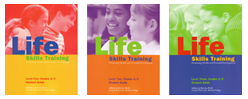
But five years into an evidence-based program aimed at educating students about the real-life consequences of drugs, new survey results indicate the message is reaching the at-risk middle schoolers who were initially targeted.
Compared with results collected during Botvin LifeSkills’ 2011 launch, there was an across-the-board drop in drug and alcohol use for Cambria and Somerset county eighth-graders, Pennsylvania Youth Survey data show.
That’s assuring news, given that United Way of the Laurel Highlands and project partners have expanded the Botvin program locally from reaching hundreds of students to more than 7,000 this year across the two-county area, United Way Research and Data Analyst Sean Simler said.
He said Botvin program supporters had been awaiting 2015 results because it was the first time they had a sample group – in this case last year’s area eighth-graders – that included thousands of students who participated in three consecutive years of the “life skills” training.
Among the highlights: Somerset and Cambria county eighth-graders reported more than 50 percent drops in binge drinking compared to counterparts in 2011 and 49 and 37 percent drops comparing those indicating they had drunk within a month of taking the survey
In Somerset County, where 564 student surveys were reviewed, the number of eighth-graders who indicated they’d previously used inhalants was below 3 percent, compared to more than 11.7 percent in 2011, the data showed. The drop was nearly as steep in Cambria County, where 936 students were surveyed. Five percent indicated they’d tried inhalants, compared to 11.2 percent five years earlier.
Drug ‘gateways’
Statistics tied to prescription drugs and “other drugs” – a category that includes heroin, crack cocaine and ecstasy – also dropped significantly in both counties from 2011 to 2015.
The high-percentage reductions, however, also reflect that only 1 percent or so, at most, indicated they’d tried those drugs in 2011. In most cases, new results showed lifetime and 30-day use dropped by a fraction of a point.
In Cambria County, for example, the lifetime use of “other drugs” dropped from 0.4 percent to 0.2 percent, the data showed.
The surveys are anonymous to encourage students to feel comfortable taking them.
But Pennsylvania Youth Survey creators also recognize some students might not take the questionnaire seriously or may decide to embellish their life histories, Simler said.
Questions were added with erroneous answers to flag suspicious surveys.
“There’s questions with false drug names. Answers that couldn’t be possible,” he said.
“There’s a number of completed surveys that end up thrown out.”
Simler said local drug prevention officials were encouraged to see the reported use of heavy drugs is on the decline, rather than an upswing at that early age.
“We’re trying to reach them before those drugs enter the picture … but a lot of these drugs we’re concerned about at this level are considered gateways to that next level,” Simler said.
‘A long process’
Far too many people in the region, particularly those in their 20s to 40s, are already struggling on that path.
Simler and project partners are hopeful programs such as Botvin LifeSkills Training will make a difference as time goes on and those taking the courses go through school and become adults.
Botvin was created by a Cornell University professor and prevention expert who developed the program around fostering confidence, self-esteem and the ability to make good decisions – traits youths need to resist the peer pressure to abuse drugs, leaders say.
Students are taught coping mechanisms to combat stressful situations.
Simler said he visited a Somerset County class recently and observed middle schoolers actively engaged in a Botvin course, looking for hidden messages in TV commercials and interpreting their “buy it” or “try it” messages.
This year’s Pennsylvania Youth Survey Results are an indicator that a program that has shown results in other regions can work here, too, Simler said.
“You can really see a glaring difference between the 2011 and 2015 surveys, and that’s great,” he said.
But Simler has no doubt it will take years to reverse a drug trend that didn’t spark overnight.
“It’s a long process. But we’re just getting started – we’re still growing (Botvin) in schools as much as possible,” he said.
‘They become advocates’
Currently, more than 7,500 sixth- through eighth-graders in 23 of 24 Cambria and Somerset counties’ schools – Northern Cambria is the lone exception – have implemented the weekly program into one or more grade levels.
But plenty of gaps remain within grades 6 through 8, leaders said.
Some schools are still working to expand the plan from one grade level to three levels, Simler said. He estimated nearly 70 percent of the two-county area’s grades 6 through 8 students will receive Botvin training this year, and he hopes to see all 11,000 receiving the training a few years from now.
If all goes well, the United Way-funded program would be expanded to other grades, if additional funding can be found for the move, Simler said.
United Way of the Laurel Highlands CEO Bill McKinney said efforts to make it happen are already underway.
“We are working with many community organizations, including all 24 school districts (in Cambria and Somerset counties), to expand this programming from third grade through eighth grade,” McKinney said, adding that Botvin’s “proven results” make it worthy.
“We have tracked and measured this program’s success with our youth, and our early analysis indicates a significant reduction in risky behavior including tobacco alcohol and drug use.”
The earlier the message can be given to students, “the sooner they are going to start to realize this is something important,” Simler said.
“When that happens, they become advocates, too,” Simler said. “They can go to friends and say ‘Hey, you shouldn’t do that.’ ”
David Hurst is a reporter for The Tribune-Democrat. He can be reached at (814) 532-5053. Follow him on Twitter @TDDavidHurst and Instagram @TDDavidHurst.
More Information: Read Full Article