December 16, 2016
WILLIAMSTOWN, Mass. — This winter, the Mount Greylock School Committee likely will be asked to support a budget that adds a full-time position to the school’s wellness department.
School nurse Nicole Russell and teacher Larry Bell told the committee about the current state of the wellness curriculum and explained there is a significant gap in the program that prevents it from serving the students properly.
Bell explained that Mount Greylock students currently get one quarter of a year of health classes in seventh and eighth grade and another quarter in sophomore year.
“You could have a two-year gap between the fall of eighth grade and the spring of sophomore year,” Bell said.
And that gap could make a big difference for some students.
“I’ve learned a lot from the [Northern Berkshire Community Coalition’s] Needs Assessment survey,” Bell said. “According to our surveys year after year, it’s middle school through sophomore year when most students are making their important decisions with substances and sexuality.”
In other words, some students are not getting help making important life decisions at the time they may need that help the most.
“If there’s a way to make sure we get health as often as we can — particularly in middle school through sophomore year — we should do so,” Bell said. “It teaches kids how to make these decisions on a daily basis because they’re making them every day.”
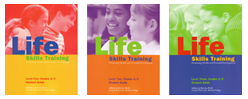
Bell, who taught biology and anatomy at Mount Greylock for 24 years, said his science background helped him see the efficacy of Botvin LifeSkills Training curriculum, which has a track record of helping teens to cut down on drug and alcohol use and risky sexual behavior, among other questionable lifestyle choices.
The health instruction and life skills training in proper decision making are more important than ever in a world where teens are exposed to new temptations like sexting that their parents did not confront when they were in school.
“Being intelligent doesn’t mean you don’t deal with this stuff,” Bell said. “It’s just part of growing up. It’s part of being human.
“We need to be there when our kids get there.”
More Information: Read Full Article